Prebiotic fiber is a fermentable carbohydrate that feeds beneficial gut bacteria and supports gut flora balance. The best sources include chicory root inulin, fructooligosaccharides, galactooligosaccharides, resistant starch, oats, legumes, asparagus, onions, and slightly green bananas. Start low, increase gradually, and choose a format you can take consistently.
TLDR: Key takeaways
- Prebiotic fiber feeds beneficial gut microbes instead of adding live bacteria.
- Inulin, FOS, GOS, beta-glucan, and resistant starch are common prebiotic fibers.
- Gradual intake supports comfort better than large first servings.
- Food sources and supplements can both fit a gut-support routine.
- Clean-label products should list fiber type, serving size, and added sugars clearly.
How did we evaluate prebiotic fiber?
We evaluated prebiotic fiber using human evidence first, especially consensus definitions, randomized controlled trials, and clinical reviews indexed in PubMed. We prioritized named fibers, including inulin, fructooligosaccharides, galactooligosaccharides, beta-glucan, and resistant starch, over vague “gut health blend” claims. We excluded disease-treatment framing because prebiotic fiber belongs in a daily digestive-support routine, not a diagnosis plan.
The International Scientific Association for Probiotics and Prebiotics defines a prebiotic as “a substrate that is selectively utilized by host microorganisms conferring a health benefit,” according to its 2017 consensus statement in Nature Reviews Gastroenterology and Hepatology, indexed at PubMed. That definition shaped this guide’s criteria: fiber type must be named, use must be practical, and benefits must be described cautiously. Evidence for gut flora changes is stronger than evidence for broad whole-body outcomes, so this guide uses “supports,” “may help,” and “promotes” where appropriate.
What is prebiotic fiber?
Prebiotic fiber is a type of dietary fiber that resists digestion in the small intestine and reaches the colon, where gut microbes ferment it. Gut bacteria use prebiotic fiber as a food source, and fermentation produces short-chain fatty acids, including acetate, propionate, and butyrate. Those compounds support the intestinal environment and contribute to normal digestive function.

Dietary fiber is a broad category. MedlinePlus describes fiber as the part of plant foods that the body cannot fully digest, with common sources including fruits, vegetables, whole grains, beans, and nuts at MedlinePlus. Prebiotic fiber is narrower. All prebiotic fibers are dietary fibers or fiber-like substrates, but not every dietary fiber has demonstrated selective use by beneficial microbes. Psyllium, cellulose, inulin, pectin, resistant starch, and beta-glucan all behave differently. The useful question is not only “how many grams of fiber,” but also “which fiber type supports which digestive goal.”
How does prebiotic fiber work in the gut?
Prebiotic fiber works by moving through the upper digestive tract mostly intact and becoming fuel for specific gut microbes in the colon. Bifidobacterium and Lactobacillus species can use certain prebiotic substrates, including inulin-type fructans and galactooligosaccharides. Fermentation creates short-chain fatty acids, which support colon cell metabolism and help maintain a healthy gut environment.
A review in Nutrients explains that dietary fiber and prebiotics can affect microbial composition, fermentation activity, stool characteristics, and short-chain fatty acid production, with effects depending on fiber type and dose, indexed at PubMed. Inulin may behave differently from oat beta-glucan. Resistant starch may behave differently from wheat bran. A practical gut-support routine matches the fiber to the person’s tolerance, diet pattern, and consistency. The gut microbiome also adapts over time, so a slow build often feels more comfortable than a sudden high-fiber change.
Which types of prebiotic fiber matter most?
The most common prebiotic fiber types are inulin, fructooligosaccharides, galactooligosaccharides, resistant starch, pectin, beta-glucan, and partially hydrolyzed guar gum. Inulin and fructooligosaccharides come from plants such as chicory root, Jerusalem artichoke, onion, garlic, and asparagus. Galactooligosaccharides are often produced from lactose, so plant-based shoppers should check sourcing.
Resistant starch appears in cooked and cooled potatoes, cooked and cooled rice, legumes, oats, and slightly green bananas. Beta-glucan appears in oats and barley. Pectin appears in apples, citrus peel, and some berries. Partially hydrolyzed guar gum is a processed fiber ingredient used in powders and functional foods. These fibers differ in fermentability, texture, taste, and digestive tolerance. Highly fermentable fibers can support microbial activity, but they may also feel gassier at first for sensitive people. Less fermentable fibers may feel gentler, but they may not produce the same microbiome shift.
| Fiber type | Common sources | Typical routine fit | Watch-out |
|---|---|---|---|
| Inulin | Chicory root, Jerusalem artichoke, onion | Microbiome-focused daily support | Can feel strong at higher servings |
| FOS | Chicory root, asparagus, banana | Small-dose gut flora support | Often paired with inulin |
| GOS | Usually produced from lactose | Bifidobacteria-focused formulas | May not fit vegan preferences |
| Resistant starch | Legumes, cooled potatoes, oats, green banana | Food-first fiber variety | Amount varies by preparation |
| Beta-glucan | Oats, barley | Whole-grain daily routine | Not all beta-glucan is prebiotic-focused |
What are the main benefits and uses of prebiotic fiber?
Prebiotic fiber supports gut flora balance, digestive regularity, stool bulk, and a fiber-forward diet pattern. The main use is not a quick digestive reset. The main use is consistent nourishment for beneficial microbes. A prebiotic routine pairs plant foods, adequate fluid, and a serving size that the digestive system can tolerate.
The strongest claims are fiber-specific. Inulin-type fructans, galactooligosaccharides, and resistant starch have research linking them to changes in gut microbial patterns, but effects vary by individual baseline microbiome, dose, and diet. A 2017 ISAPP consensus statement notes that prebiotics are defined by selective microbial use and a health benefit, not by marketing language alone, at PubMed. Practical benefits are usually gradual. People often use prebiotic fiber to help maintain regularity, support a higher-fiber diet, and make gut-support habits easier to repeat. Fiber variety matters because the gut microbiome uses different substrates in different ways.
How much prebiotic fiber should you take?
Prebiotic fiber intake should start low and increase gradually. A common practical starting point is 2 to 3 grams per day from a supplement or one additional prebiotic-rich food serving. After several days, intake can move upward if digestive comfort remains steady. Total fiber needs are broader than prebiotic fiber alone.
The Dietary Guidelines for Americans recommend fiber-rich eating patterns with fruits, vegetables, legumes, whole grains, nuts, and seeds, available at health.gov. Many adults do not reach recommended fiber intake, so a prebiotic habit should fit inside the full diet rather than replace food variety. Water intake matters because fiber changes stool texture and transit. Timing matters less than consistency. Morning gummies, lunch legumes, or evening oats can all work. The best dose is the dose a person can repeat without uncomfortable fullness, pressure, or excessive gas.
How do prebiotic foods and supplements compare?
Prebiotic foods provide fiber, polyphenols, vitamins, minerals, and chewing satisfaction. Prebiotic supplements provide convenience, measured servings, and repeatable routines. Neither format is automatically better. Food-first routines support dietary variety, while supplements can help fill a consistency gap when travel, schedule, appetite, or food preferences make high-fiber eating harder.
Whole-food sources include oats, beans, lentils, apples, asparagus, onions, garlic, leeks, chicory, Jerusalem artichoke, and slightly green bananas. Supplement formats include powders, capsules, chewables, and gummies. A powder may offer more grams per serving, but a gummy may be easier to remember. A capsule may be tidy, but it often contains less fiber. A clean-label gummy should identify the fiber source, serving size, sweetener system, allergen profile, and gelatin status. For plant-based shoppers, vegan, non-GMO, gluten-free, soy-free, and gelatin-free labels make the daily routine easier to trust.
How should you choose a prebiotic fiber product?
Choose a prebiotic fiber product by checking the named fiber source, grams per serving, sweeteners, allergen fit, third-party or manufacturing quality signals, and daily usability. A good label states more than “fiber blend.” It names ingredients such as inulin, fructooligosaccharides, resistant starch, beta-glucan, pectin, or partially hydrolyzed guar gum.
Use this checklist before buying:
- Named fiber type: Avoid vague proprietary fiber language.
- Serving size: Look for grams of fiber, not only gummy count.
- Gradual dosing: Confirm whether half-servings are practical.
- Added sugar: Compare sweetener amount with your daily routine.
- Vegan status: Check for gelatin, dairy-derived GOS, or beeswax.
- Allergen fit: Review soy, gluten, and major allergen statements.
- Routine fit: Choose the format you will actually repeat.
Dietary supplements are regulated differently from conventional foods and medicines. FDA explains supplement oversight at FDA Dietary Supplements. That means label literacy matters. A trustworthy product makes ingredient identity, format, and use instructions easy to understand.
What should you watch out for with prebiotic fiber?
Prebiotic fiber can feel uncomfortable when intake rises too quickly. Gas, bloating, pressure, or stool changes may happen because gut microbes ferment fiber and produce gas along with short-chain fatty acids. This response does not mean prebiotic fiber is “bad.” It often means the serving size, timing, or fiber type needs adjustment.
Start with a smaller serving, take it with food, and increase slowly. People with medically restricted diets, complex digestive conditions, pregnancy, lactation, or prescription medication routines should ask a qualified healthcare professional before adding concentrated fiber. Fiber can also affect how full someone feels, so timing around meals matters. Highly fermentable fibers such as inulin may feel stronger than less fermentable options. Sugar alcohols can add digestive discomfort for some people, so check gummy labels carefully. A clean formula should make the fiber source and sweetener system obvious. Comfort, consistency, and label clarity matter more than the biggest serving size.
Where does prebiotic fiber fit in a gut flora routine?
Prebiotic fiber fits best as one part of a gut flora routine that includes plant variety, hydration, sleep consistency, movement, and enough total food. Gut flora responds to repeated inputs. One high-fiber day cannot replace a pattern of fiber-rich meals and simple daily habits. Consistency gives microbes a steadier supply of fermentable substrate.
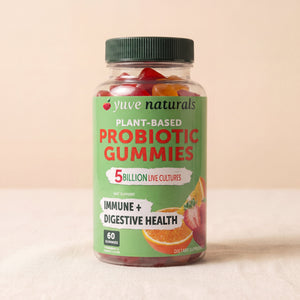
A practical routine can be simple. Add oats or berries at breakfast, legumes at lunch, vegetables at dinner, and a measured prebiotic supplement when food intake is inconsistent. Probiotics and prebiotics are different tools. Probiotics contain live microorganisms, while prebiotics feed selected microorganisms already present in the gut. The National Center for Complementary and Integrative Health explains probiotic basics at NCCIH. Some routines use both, but one does not replace the other. For many people, prebiotic fiber is the foundation because it supports the daily feeding pattern behind gut flora balance.
Which related prebiotic fiber topics should you read next?
Use this pillar guide as the starting point for deeper prebiotic fiber questions. If you are comparing ingredient labels, revisit [which types of prebiotic fiber matter most](#which-types-of-prebiotic-fiber-matter-most). If you are building a daily habit, revisit [how much prebiotic fiber should you take](#how-much-prebiotic-fiber-should-you-take). If you are deciding between foods and gummies, revisit [how do prebiotic foods and supplements compare](#how-do-prebiotic-foods-and-supplements-compare).
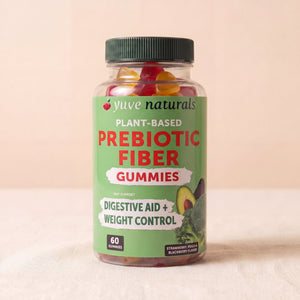
A complete prebiotic fiber cluster should answer four practical questions: what prebiotic fiber is, which foods contain it, how supplements differ, and how to use it comfortably. This hub covers the full map, while future spoke guides can go deeper on food lists, inulin versus resistant starch, prebiotic gummies, and gentle dosing. For a plant-based, gelatin-free format, Yuve Prebiotic Fiber Gummies can fit a routine-focused approach when a measured serving feels easier than another food prep step.
FAQ
Is prebiotic fiber the same as probiotics?
Prebiotic fiber is not the same as probiotics. Prebiotic fiber feeds selected gut microbes, while probiotics contain live microorganisms. A routine can include both, but they have different roles. Prebiotic fiber supports the microbial food supply, while probiotics add specific organisms when a product contains researched strains and proper storage directions.
Should I take prebiotic fiber every day?
Daily prebiotic fiber can fit a gut-support routine when the serving size feels comfortable. Start with a small amount, take it consistently, and increase gradually if needed. Food sources and supplements both count toward the broader fiber pattern. If concentrated fiber causes discomfort, reduce the serving or change the fiber type.
What foods are naturally high in prebiotic fiber?
Common prebiotic fiber foods include onions, garlic, leeks, asparagus, chicory root, Jerusalem artichoke, oats, barley, legumes, apples, and slightly green bananas. Cooked and cooled potatoes or rice can also provide resistant starch. Food preparation matters because ripeness, cooling, processing, and cooking can change the amount and type of fermentable fiber.
Can prebiotic fiber cause gas or bloating?
Prebiotic fiber may contribute to temporary gas or bloating because gut microbes ferment it in the colon. The most common trigger is adding too much too quickly. A smaller serving, slower increase, and adequate water intake can support better comfort. Highly fermentable fibers such as inulin may feel stronger for sensitive routines.
What is the best time to take prebiotic fiber?
The best time to take prebiotic fiber is the time you can repeat consistently. Many people take it with breakfast, lunch, or an evening routine. Taking fiber with food may feel gentler than taking it alone. Keep timing steady for a week before judging comfort or changing the serving.
How do I know if a prebiotic supplement is clean-label?
A clean-label prebiotic supplement should name the fiber source, list grams of fiber per serving, disclose sweeteners, and state allergen or dietary attributes clearly. For gummies, check for gelatin, artificial colors, sugar alcohols, and vague proprietary blends. Vegan, non-GMO, gluten-free, soy-free, and made-in-USA details can make comparison easier.
Is more prebiotic fiber always better?
More prebiotic fiber is not always better. A high serving can feel uncomfortable if the gut has not adapted. The better target is a repeatable amount that supports digestive regularity and gut flora balance within a varied diet. Fiber type, hydration, food pattern, and personal tolerance all shape the right routine. Prebiotic fiber works best as a steady habit, not a dramatic reset.