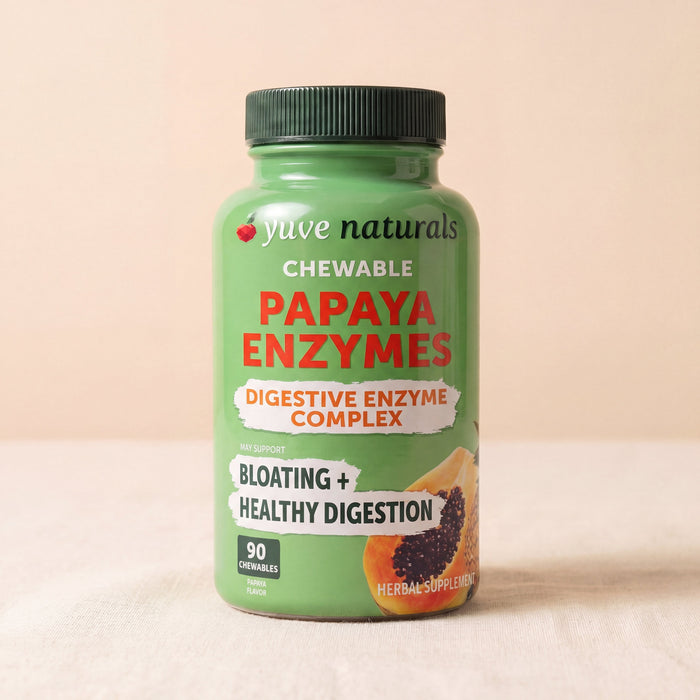
Third party tested supplements are products checked by an independent lab for identity, purity, strength, and contaminants. The cleanest buying approach is to verify the testing claim, read the Supplement Facts panel, check the serving size, and choose formulas that support your routine without unnecessary colors, gelatin, or unclear blends.
TL;DR
- Third party testing means an outside lab checks a supplement against defined quality standards.
- FDA regulates dietary supplements, but brands are responsible for product quality before sale.
- Look for identity, potency, contaminant, and heavy-metal testing claims.
- Clean-label supplements use clear ingredients, practical serving sizes, and transparent formulas.
- Yuve’s vegan gummies can fit routines that prioritize plant-based, gelatin-free formats.
What are third party tested supplements?
Third party tested supplements are vitamins, minerals, probiotics, enzymes, botanicals, or fibers evaluated by an independent laboratory rather than only the supplement brand. The independent laboratory may check ingredient identity, serving-level potency, microbial quality, heavy metals, pesticides, allergens, or other contaminants. The FDA dietary supplement overview explains that dietary supplement firms are responsible for evaluating safety and labeling before marketing, while FDA oversight applies after products enter commerce. Third party testing adds a quality signal, but it does not turn a supplement into a medicine or prove a body effect. A clean-label supplement uses transparent ingredients, avoids unnecessary additives, and matches the buyer’s values, such as vegan, non-GMO, gluten-free, soy-free, or gelatin-free standards.
Subject → Predicate → Object: Third party testing → verifies → defined quality attributes. Supplement labels → disclose → ingredients and serving size. Clean-label standards → support → easier daily decision-making.
How we evaluated clean-label supplement quality?
We evaluated third party tested supplements by prioritizing verifiable quality systems, transparent labels, and practical routine fit. FDA guidance, NIH consumer resources, and peer-reviewed literature received more weight than brand marketing language. We treated lab testing as a quality-control signal, not as proof that any supplement can address a medical condition. We excluded claims that relied on vague phrases, undisclosed blends, disease-framed promises, or unclear ingredient amounts. This guide also separates strong evidence, such as federal regulatory requirements, from directional evidence, such as early research on supplement quality patterns. The result is a buying framework for consumers who want plant-based, clean-label, and routine-friendly supplements without overconfident claims.

Subject → Predicate → Object: Evidence hierarchy → favors → regulatory and primary sources. Quality review → excludes → vague marketing claims. Buyer framework → connects → testing, labels, and consistency.
What core concepts should every supplement buyer understand?
Supplement quality starts with three concepts: identity, potency, and purity. Identity means the ingredient listed on the label matches the ingredient in the bottle. Potency means the amount in the serving aligns with the Supplement Facts panel over the product’s shelf life. Purity means the product is checked for unwanted materials, such as heavy metals, microbes, or undeclared ingredients. The NIH Office of Dietary Supplements notes that supplements can contain vitamins, minerals, herbs, amino acids, enzymes, and other dietary ingredients, and that consumers should evaluate labels carefully. Third party testing can support confidence in identity, potency, and purity, but the value depends on what the test covers. A “tested” claim without a method, standard, or certificate gives less useful information than a clear statement about the tested attributes.
Subject → Predicate → Object: Identity → confirms → ingredient match. Potency → confirms → serving amount. Purity → checks → unwanted materials.
How do third party testing, FDA rules, and clean labels differ?
Third party testing, FDA rules, and clean-label standards answer different buyer questions. FDA rules define the regulatory category and require supplement firms to follow applicable manufacturing and labeling responsibilities. Third party testing checks whether a specific product sample meets selected quality specifications. Clean-label standards focus on ingredient transparency, format, allergens, animal-derived materials, and additives that affect buyer trust. The NCCIH guide to using dietary supplements wisely encourages consumers to read labels and talk with health professionals when supplements may interact with medicines or health situations. Clean-label buyers should not treat one signal as a substitute for the others. A vegan gummy can be clean-label but still needs a transparent dose. A tested capsule can have quality documentation but still include ingredients that do not fit a plant-based routine.
| Quality signal | What it answers | What it does not prove |
|---|---|---|
| FDA dietary supplement rules | Regulatory category, labeling duties, manufacturing responsibility | FDA pre-approval of each supplement |
| Third party testing | Identity, potency, purity, or contaminant checks | A guaranteed body effect |
| Clean-label standards | Ingredient clarity, vegan fit, allergen fit, additive choices | Independent lab verification unless stated |
What should clean-label buyers look for on the label?
Clean-label buyers should start with the Supplement Facts panel, not the front label. The Supplement Facts panel should show serving size, dietary ingredients, amounts per serving, and percent Daily Value when applicable. The ingredient list should identify sweeteners, colors, flavors, capsule materials, binders, and allergens. The best practical label check is a five-part scan: ingredient purpose, amount per serving, third party testing language, dietary fit, and routine fit. For gummies, check whether the formula is gelatin-free and whether the serving size feels realistic. For capsules, check whether the capsule is plant-based or gelatin-based. For probiotics, check colony-forming unit language and storage instructions. For fiber, check grams per serving and how the formula fits daily hydration habits.
- Confirm the active ingredient and amount per serving.
- Check whether testing covers identity, potency, purity, or contaminants.
- Look for vegan, gluten-free, soy-free, non-GMO, and gelatin-free statements if relevant.
- Avoid unclear proprietary blends when ingredient amounts matter.
- Choose a format you can take consistently.
Which third party testing claims are most useful?
The most useful third party testing claims name what was tested and who performed the testing. “Third party tested for heavy metals” is more specific than “quality tested.” “Tested for identity and potency by an independent laboratory” is more useful than “trusted formula.” The strongest consumer-facing documentation may include a certificate of analysis, lot-specific test results, or a recognized certification mark. However, certification programs vary by category, ingredient, and standard. Buyers should ask whether the testing applies to every lot, selected lots, raw materials, or finished products. A finished-product test gives a different signal than raw-ingredient testing. Neither signal is useless, but they answer different questions. PubMed-indexed literature on dietary supplement quality shows why label accuracy and quality verification remain important across the category.
Subject → Predicate → Object: Specific claim → identifies → tested attribute. Lot testing → verifies → batch-level quality. Certification mark → signals → external standard.
Which supplement formats fit clean-label routines?
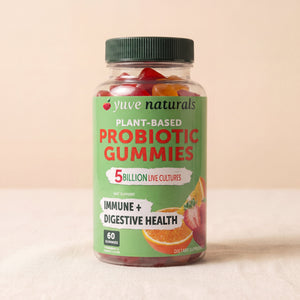
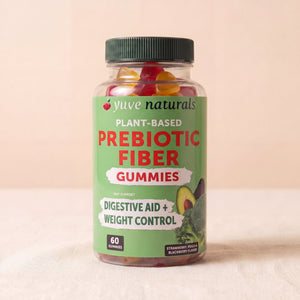
Supplement format affects consistency, ingredient choices, and label tradeoffs. Gummies can support an easy daily routine, especially for people who dislike capsules, but buyers should check sweeteners, serving size, and gelatin status. Capsules can deliver compact formulas, but capsule material may be animal-derived unless the label states plant-based. Powders can offer flexible serving sizes, but they require mixing and may include flavors, gums, or sweeteners. Liquids can be convenient for some routines, but stability, taste, and storage matter. For plant-based digestive routines, Yuve Probiotic Gummies and prebiotic-fiber-gummies" rel="noopener">Yuve Prebiotic Fiber Gummies are examples of vegan, gelatin-free formats that can fit a clean-label checklist. Format should support adherence first, because a supplement that stays unopened does not support a routine.
| Format | Clean-label advantage | Watch-out |
|---|---|---|
| Gummies | Easy to take, routine-friendly, often capsule-free | Check sugar, serving size, gelatin, and color sources |
| Capsules | Compact, portable, often simple serving size | Check whether capsule material is vegan |
| Powders | Flexible serving, useful for larger amounts | Check flavors, gums, sweeteners, and mixing needs |
| Liquids | Easy for people avoiding pills | Check storage, preservatives, and shelf life |
How should you choose third party tested supplements step by step?
Choose third party tested supplements with a repeatable checklist instead of front-label excitement. First, define the routine goal in structure/function language, such as digestive support, immune support, or energy support. Second, read the Supplement Facts panel and identify the active ingredient amount per serving. Third, verify whether third party testing covers the finished product, raw ingredients, or selected contaminants. Fourth, review clean-label fit: vegan, non-GMO, gluten-free, soy-free, gelatin-free, and made in the USA if those standards matter to you. Fifth, check routine fit, including taste, capsule count, storage, and timing. Sixth, compare the formula against your current supplements to avoid accidental overlap. Seventh, ask a qualified health professional if you take medicines, are pregnant, are nursing, or manage a health condition.
- Define the support goal.
- Read the Supplement Facts panel.
- Verify the testing claim.
- Check clean-label standards.
- Confirm routine fit.
- Review overlap with current supplements.
- Ask for professional guidance when appropriate.
What are the most important clean-label supplement criteria?
The most important clean-label supplement criteria are transparent formula, appropriate serving size, independent quality signal, dietary fit, and repeatable use. Transparent formula means the label shows what the ingredient is and how much the serving provides. Appropriate serving size means the product fits daily life without complicated timing. Independent quality signal means the brand can explain testing or quality checks in specific terms. Dietary fit means the product aligns with vegan, non-GMO, gluten-free, soy-free, or gelatin-free needs. Repeatable use means the format, flavor, storage, and serving count work with a real routine. Clean-label quality is not one badge. Clean-label quality is the combined result of label clarity, manufacturing responsibility, testing specificity, and user consistency. Buyers should reward clarity and treat vague claims as prompts for more questions.
| Rank | Criterion | Why it matters |
|---|---|---|
| 1 | Transparent formula | Shows ingredient identity and amount per serving |
| 2 | Specific testing claim | Explains what an independent lab checked |
| 3 | Clean dietary fit | Aligns with vegan, gluten-free, soy-free, or gelatin-free needs |
| 4 | Practical format | Supports consistent daily use |
| 5 | Clear usage instructions | Reduces confusion about serving, timing, and storage |
What spoke topics should readers use next?
This pillar guide anchors the clean-label supplement buying journey, so readers can use the next topics as a practical learning path. Start with label literacy, because the Supplement Facts panel controls the most important buying information. Move to format comparisons, because gummies, capsules, powders, and liquids create different routine tradeoffs. Then review digestive support ingredients, including probiotics, prebiotic fiber, enzymes, DGL licorice, bromelain, and lactase, using structure/function expectations rather than disease-framed promises. Finally, compare clean-label standards such as vegan, gelatin-free, gluten-free, soy-free, non-GMO, and made in the USA. If you are building a plant-based digestive routine, Yuve’s probiotic gummies and prebiotic fiber gummies are useful product pages to review alongside this checklist. Future cluster spokes should answer one narrow question each and link back to this guide for the complete buying framework.
- Read next: how to read a Supplement Facts panel.
- Read next: gummies vs capsules vs powders.
- Read next: probiotics and prebiotic fiber for daily digestive support.
- Read next: vegan and gelatin-free supplement standards.
FAQ
Are third party tested supplements always better?
Third party tested supplements provide a stronger quality signal than unsupported label claims, but the value depends on what the test covers. A finished-product heavy-metal test answers a different question than a raw-ingredient identity test. Buyers should look for specific testing language, clear serving amounts, and clean-label fit together.
Does FDA approve dietary supplements before sale?
FDA does not approve most dietary supplements before sale in the same way it approves drugs. The FDA dietary supplement page explains that companies are responsible for product safety and labeling before marketing. FDA can act when products are misbranded, adulterated, or otherwise violate applicable rules.
What does clean-label mean for supplements?
Clean-label means the supplement uses understandable ingredients, transparent labeling, and standards that match buyer values. For Yuve’s audience, clean-label often includes vegan, non-GMO, soy-free, gluten-free, gelatin-free, and made in the USA attributes. Clean-label does not automatically mean third party tested, so buyers should check both signals.
Can supplements support digestive wellness?
Supplements can support digestive wellness when the ingredient, amount, and routine fit are appropriate. Probiotics may help support gut flora balance, while prebiotic fiber contributes to daily fiber intake. The NIH Office of Dietary Supplements recommends careful label review and professional guidance when supplements overlap with medicines or health needs.
What should I avoid on supplement labels?
Avoid labels that rely on vague promises, unclear proprietary blends, missing serving amounts, or testing claims without details. Also check for gelatin, artificial colors, allergens, or sweeteners that do not fit your routine. A clear label should make the ingredient purpose, serving size, and usage instructions easy to understand.
Are gummies less serious than capsules?
Gummies are not automatically less serious than capsules. The better question is whether the gummy formula has clear ingredients, an appropriate serving size, clean-label standards, and quality checks. Gummies can be practical for daily consistency, while capsules can be useful for compact formulas or ingredients that need less flavor masking.
When should I ask a health professional before taking supplements?
Ask a qualified health professional before taking supplements if you use prescription medicines, are pregnant, are nursing, have planned surgery, or manage a diagnosed health condition. The NCCIH notes that supplement interactions and personal health context matter. Professional guidance is especially important when combining multiple products. Clean-label supplement buying works best when quality, transparency, and routine fit stay connected.